
Explore the legacy of INS Vikrant, India’s first indigenous aircraft carrier. Learn about its development, strategic importance, and role in securing India’s maritime interests.
Introduction:
INS Vikrant, India’s first indigenous aircraft carrier, represents a monumental achievement in the country’s maritime history. As a symbol of self-reliance and naval power, Vikrant not only strengthens India’s defense capabilities but also marks a significant milestone in the nation’s journey toward becoming a global maritime force. Built by the Cochin Shipyard Limited (CSL) under the Make in India initiative, INS Vikrant is a testament to India’s engineering prowess and strategic foresight. In this blog, we will delve into the development, features, and strategic significance of INS Vikrant, and explore how it positions India as a formidable force in the Indian Ocean Region (IOR).
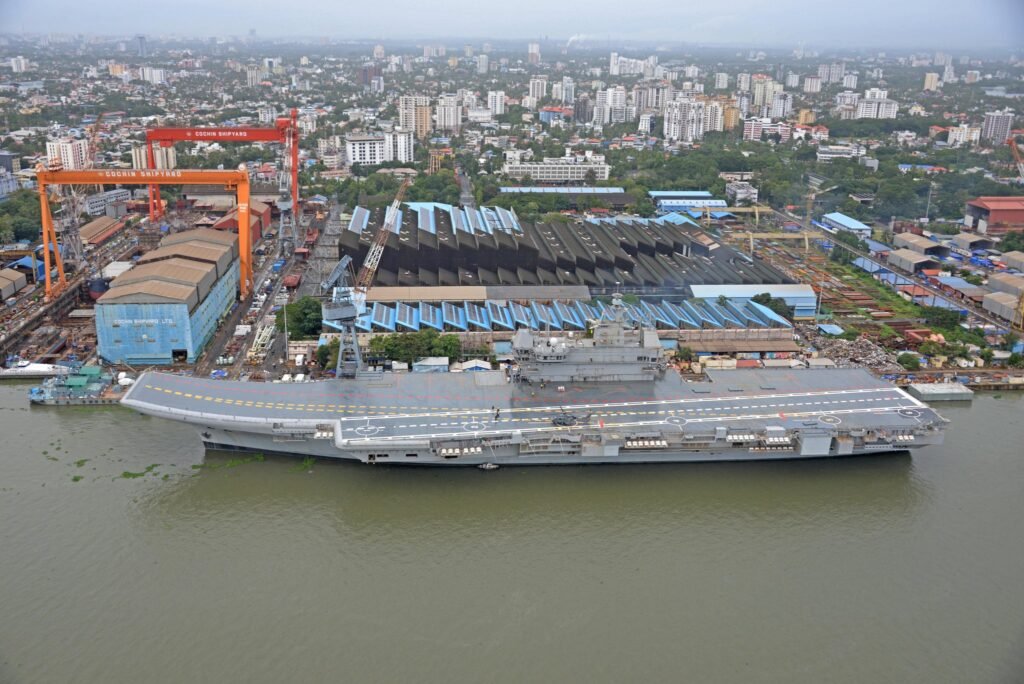
The Development Journey: A Triumph of Indigenous Engineering
The journey of INS Vikrant began with a vision to create an aircraft carrier that could project India’s power far beyond its shores. The project faced numerous challenges, from technological complexities to delays, but ultimately resulted in a state-of-the-art vessel that stands as a proud symbol of India’s naval capabilities.
1. Origins of the INS Vikrant Project:
The need for a new aircraft carrier was first recognized in the early 2000s, as India sought to enhance its naval capabilities and replace the aging INS Viraat. The decision to build the carrier indigenously was a bold move, reflecting India’s commitment to self-reliance in defense.
- Initial Challenges: The construction of an aircraft carrier is one of the most complex and challenging tasks in shipbuilding. India had to develop expertise in areas like hull fabrication, propulsion systems, and aircraft integration.
- Overcoming Obstacles: Despite setbacks, including delays in procurement and technical challenges, the Cochin Shipyard, along with various Indian industries, successfully completed the project, making INS Vikrant a symbol of indigenous achievement.
2. Construction and Launch:
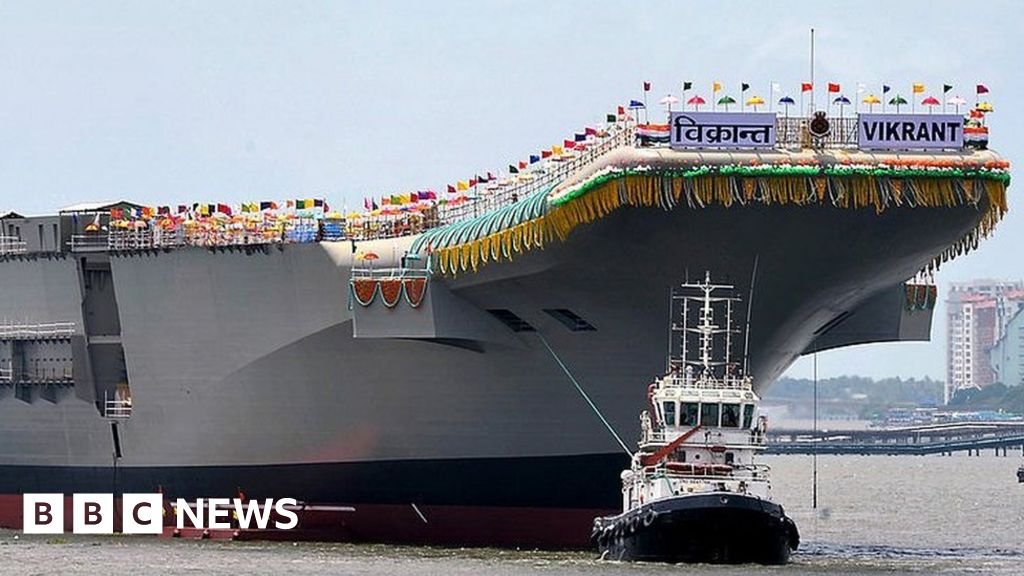
The keel of INS Vikrant was laid in 2009, and the ship was launched in 2013. After extensive trials and testing, it was commissioned into the Indian Navy in September 2022.
- Key Milestones: The construction of INS Vikrant involved over 20,000 tonnes of steel, 2,500 kilometers of cabling, and 150 kilometers of piping, showcasing the massive scale of the project.
- Commissioning: The commissioning of INS Vikrant marked a historic moment for India, as it became one of the few countries in the world capable of designing and building an aircraft carrier entirely on its own.
SSB Insight:
Understanding the development history of INS Vikrant highlights the importance of perseverance, strategic planning, and technical expertise—qualities that are essential for leadership in the armed forces.
Key Features of INS Vikrant: A Technological Masterpiece
INS Vikrant is not just a warship; it is a floating airbase, equipped with the latest technology and designed to operate in diverse maritime environments. Its advanced features make it a formidable asset in India’s naval arsenal.
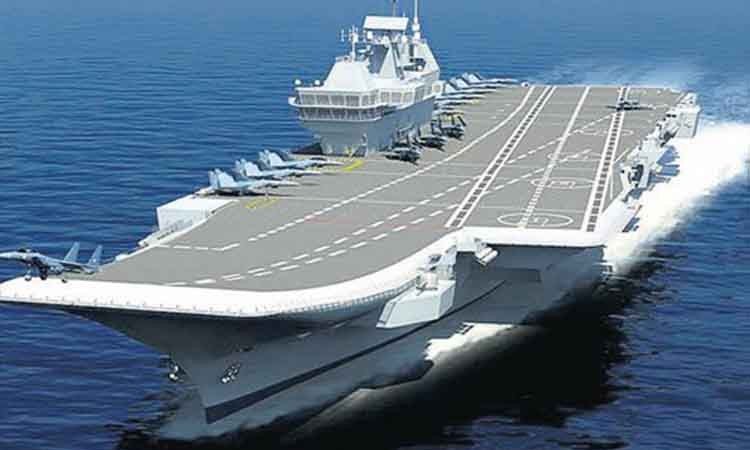
1. Design and Construction:
INS Vikrant features a Short Take-Off but Arrested Recovery (STOBAR) configuration, which allows aircraft to take off using a ski-jump and land using arrestor wires. The ship is equipped with a deck that spans 262 meters, capable of housing more than 30 aircraft.
- Indigenous Materials: The ship’s construction utilized high-grade steel developed by the Steel Authority of India (SAIL), ensuring both strength and resilience.
- Dual-Carrier Capability: With the induction of INS Vikrant, India now operates two aircraft carriers, significantly enhancing its maritime power projection.
2. Propulsion and Power:
INS Vikrant is powered by four gas turbines generating a combined output of 88 MW, enabling it to reach speeds of up to 28 knots. This makes it fast, agile, and capable of responding quickly to threats.
- Autonomy and Range: The carrier has an operational range of 7,500 nautical miles, allowing it to conduct extended missions without the need for immediate resupply.
- Energy Efficiency: The ship’s propulsion system is designed for efficiency, reducing fuel consumption and extending its operational endurance.
3. Aircraft and Armament:
INS Vikrant can accommodate a variety of aircraft, including the MiG-29K fighter jets, Kamov-31 helicopters, and the indigenously developed HAL Tejas (Navy) in the future.
- Air Wing: The carrier’s air wing is designed for both offensive and defensive operations, including air superiority, anti-ship strikes, and airborne early warning.
- Self-Defense Systems: Vikrant is equipped with state-of-the-art air defense systems, including Surface-to-Air Missiles (SAMs) and Close-In Weapon Systems (CIWS), providing robust protection against aerial threats.
Interesting Fact:
INS Vikrant is named after India’s first aircraft carrier, which played a crucial role in the 1971 Indo-Pak war. The name Vikrant means “courageous” or “victorious” in Sanskrit, reflecting the ship’s mission to defend India’s maritime interests.
Strategic Importance: INS Vikrant and India’s Naval Dominance
INS Vikrant plays a critical role in enhancing India’s maritime security and projecting power across the Indian Ocean Region. As a key component of the Indian Navy’s blue-water capabilities, it serves as a force multiplier, ensuring that India can protect its interests both near and far.
1. Strengthening India’s Maritime Security:
With its advanced capabilities, INS Vikrant significantly boosts the Indian Navy’s ability to secure the country’s maritime borders and safeguard vital sea lanes of communication (SLOCs).
- Deterrence: The presence of an indigenous aircraft carrier like INS Vikrant serves as a powerful deterrent against potential adversaries, reinforcing India’s dominance in the Indian Ocean.
- Rapid Deployment: The ship’s ability to quickly deploy aircraft and respond to threats makes it an essential asset for maintaining maritime security in the region.
2. Power Projection in the Indian Ocean Region:
The Indian Ocean is a strategic area, vital for global trade and security. INS Vikrant enhances India’s ability to project power and influence across this vast region.
- Regional Influence: INS Vikrant allows India to extend its influence over key maritime chokepoints, ensuring the security of important trade routes and deterring piracy and other maritime threats.
- Interoperability: The carrier’s ability to operate with other naval forces, both within and outside the region, enhances India’s role as a key player in maintaining regional stability.
3. Symbol of Self-Reliance and Technological Progress:
INS Vikrant is a symbol of India’s growing self-reliance in defense production. It reflects the country’s commitment to developing its own technological capabilities and reducing dependence on foreign suppliers.
- Make in India Success: The successful development of INS Vikrant under the Make in India initiative underscores the potential of India’s indigenous defense industry and its ability to undertake complex projects.
- Innovation and Collaboration: The project brought together multiple stakeholders, including public and private sectors, research institutions, and industries, fostering a culture of innovation and collaboration.
Did You Know?
INS Vikrant has the capacity to generate enough electricity to power a small city, reflecting the scale and complexity of its onboard systems and operations.
The Road Ahead: Future Prospects for INS Vikrant
As INS Vikrant continues to integrate into the Indian Navy’s fleet, it will undergo further enhancements and upgrades to keep pace with emerging threats and technological advancements.
1. Future Upgrades:
The Indian Navy plans to equip INS Vikrant with additional capabilities, including advanced sensors, weapons systems, and aircraft, to enhance its operational effectiveness.
- Integration of New Aircraft: The future deployment of the naval version of HAL Tejas and other advanced aircraft will further enhance Vikrant’s strike capabilities.
- Upgraded Systems: Continuous upgrades to the ship’s radar, communication, and electronic warfare systems will ensure that it remains at the cutting edge of naval technology.
2. Role in Joint Operations:
INS Vikrant will play a crucial role in joint operations with other branches of the Indian Armed Forces, as well as with allied navies, enhancing India’s ability to conduct complex and coordinated military campaigns.
- Inter-Service Coordination: The carrier will be central to operations involving the Indian Navy, Air Force, and Army, particularly in amphibious and expeditionary warfare.
- International Collaboration: Vikrant’s participation in joint exercises with navies from other countries will strengthen India’s strategic partnerships and enhance interoperability.
SSB Preparation Tip:
Understanding the strategic significance of platforms like INS Vikrant is crucial for SSB candidates, especially when discussing India’s defense capabilities and maritime security. Familiarize yourself with the ship’s features, its role in the Indian Navy, and its broader impact on regional security dynamics.
Conclusion: INS Vikrant – A Beacon of India’s Maritime Ambitions
INS Vikrant is more than just an aircraft carrier; it is a symbol of India’s maritime strength, technological innovation, and strategic foresight. As a key asset in the Indian Navy’s fleet, it will play a vital role in securing the nation’s maritime interests and projecting power across the Indian Ocean Region. For aspiring defense personnel, understanding the significance of INS Vikrant is essential, as it represents the future of India’s naval capabilities and the country’s commitment to becoming a self-reliant and formidable maritime power.
Final SSB Advice:
- Appreciate the Scale: Recognize the complexity and importance of developing indigenous platforms like INS Vikrant in enhancing India’s defense capabilities.
- Stay Updated: Keep yourself informed about the latest developments in India’s naval assets, including future upgrades and strategic roles.
- Think Strategically: Reflect on how the strategic capabilities of platforms like INS Vikrant contribute to India’s security and how this understanding can inform your approach to SSB interviews and discussions.
- By gaining a deep understanding of INS Vikrant and its significance, you will not only enhance your knowledge of India’s maritime security but also position yourself as a well-informed and strategically minded candidate during your SSB preparation.