
The Group Obstacle Race (GOR), commonly referred to as “Snake Race,” is one of the most exhilarating and challenging tasks in the Services Selection Board (SSB) examination. It’s not just about physical stamina; it’s a test of teamwork, leadership, and strategy. This blog post will guide you through the essential aspects of preparing for the Group Obstacle Race, along with top 10 expert tips to help you excel.
Table of Contents
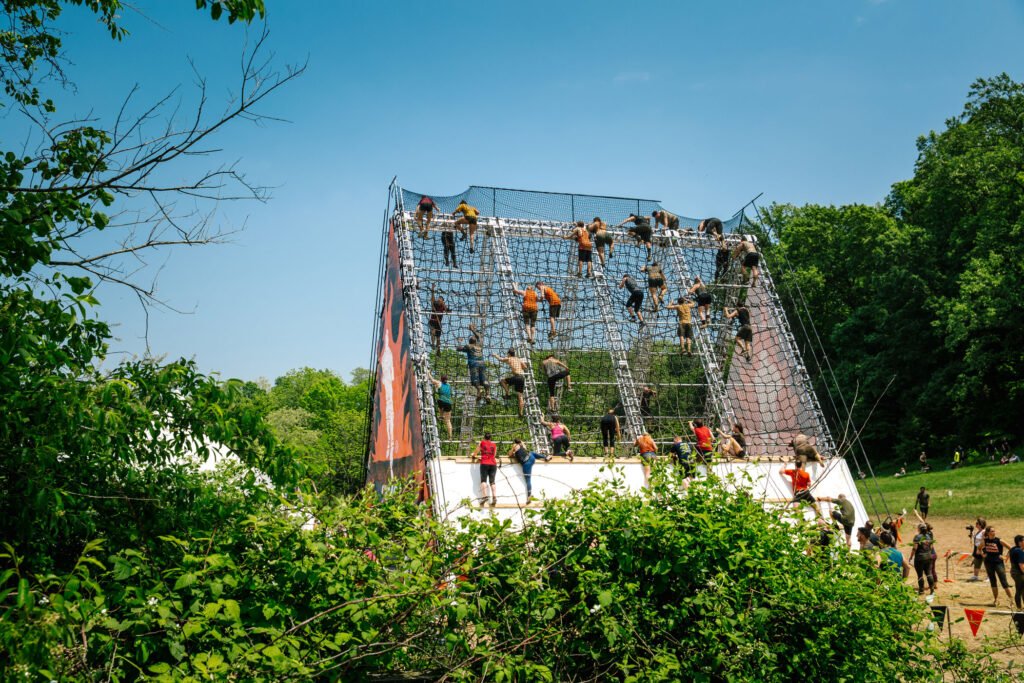
What is the Group Obstacle Race?
The Group Obstacle Race in the SSB is designed to evaluate a candidate’s physical and mental abilities in a group setting. During this race, groups are given a snake-like object (usually a heavy rope or rolled-up tarpaulin) that they must carry while navigating through a series of obstacles. The race is time-bound, and the primary focus is on completing the course as a team.
Key Objectives of the Group Obstacle Race:
- Teamwork: The task is designed to assess how well candidates can work together, support each other, and complete the course as a unit.
- Leadership: The ability to lead, delegate, and make quick decisions under pressure is crucial.
- Physical Fitness: While teamwork is paramount, candidates must also possess the physical stamina to keep up with the group and overcome obstacles.
- Communication: Clear and effective communication is vital to ensure that the team moves in sync and completes the obstacles efficiently.
- Strategy: It’s not just about speed but also about devising a strategy to tackle each obstacle with the snake-like object effectively.
Top 10 Expert Advice for Preparing for the Group Obstacle Race
1. Build Physical Endurance
The GOR requires significant physical stamina. Engage in regular physical training, focusing on endurance exercises like running, swimming, and high-intensity interval training (HIIT). Incorporating exercises such as push-ups, burpees, and pull-ups will help you develop the upper body strength needed to handle obstacles.
Expert Tip: Start with moderate-intensity workouts and gradually increase the intensity. Incorporate exercises that mimic the movements required in the GOR, such as lifting heavy objects or running with weights.
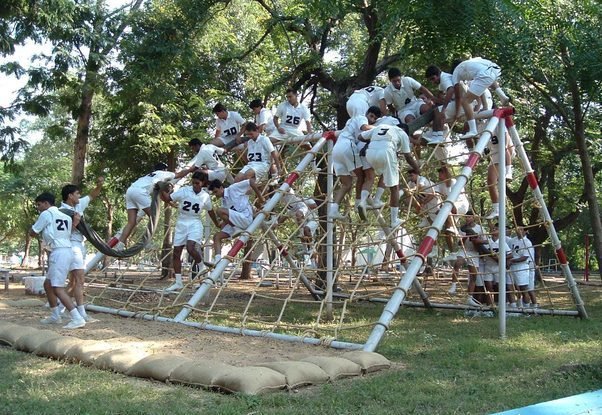
2. Improve Your Teamwork Skills
The GOR is not an individual task but a group activity. Practicing teamwork in various scenarios will help you understand the dynamics of group activities. Participate in team sports, join group training sessions, and engage in activities that require collective effort.
Expert Tip: Develop a habit of listening to others and providing constructive input. This will help you function effectively in a team during the GOR.
3. Develop Quick Decision-Making Skills
During the GOR, you’ll encounter obstacles that require quick thinking and decision-making. Engage in activities that challenge your decision-making abilities, such as strategy games, puzzles, or participating in group discussions.
Expert Tip: Practice making decisions under pressure by timing yourself during problem-solving exercises. This will prepare you for the fast-paced environment of the GOR.
4. Enhance Your Communication Abilities
Clear and concise communication is crucial in the GOR. Practice conveying instructions and information effectively in group settings. This could be through role-playing exercises, team games, or group projects.
Expert Tip: Work on assertive communication—being clear and direct without being aggressive. This will help you give and receive instructions efficiently during the GOR.
5. Focus on Leadership Development
The GOR is a great opportunity to showcase your leadership skills. Practice leading small groups in various tasks and get comfortable with taking charge when needed.
Expert Tip: Leadership is not just about giving orders; it’s about inspiring and guiding your team. Practice leading by example and encouraging your team members during challenging situations.
6. Understand the Importance of Strategy
A well-thought-out strategy can make all the difference in the GOR. Learn to analyze obstacles quickly and devise a plan of action. You can practice this by engaging in strategy-based games or group problem-solving activities.
Expert Tip: When devising a strategy, always consider the strengths and weaknesses of your team members. A good leader assigns tasks based on individual capabilities.

7. Stay Calm Under Pressure
The GOR is designed to put candidates under stress. Learn to manage stress effectively by practicing mindfulness, deep-breathing exercises, or yoga. Staying calm will help you think clearly and make better decisions during the race.
Expert Tip: Practice stress-management techniques regularly. The more you practice, the better you’ll be at maintaining composure during the GOR.
8. Know the Obstacles
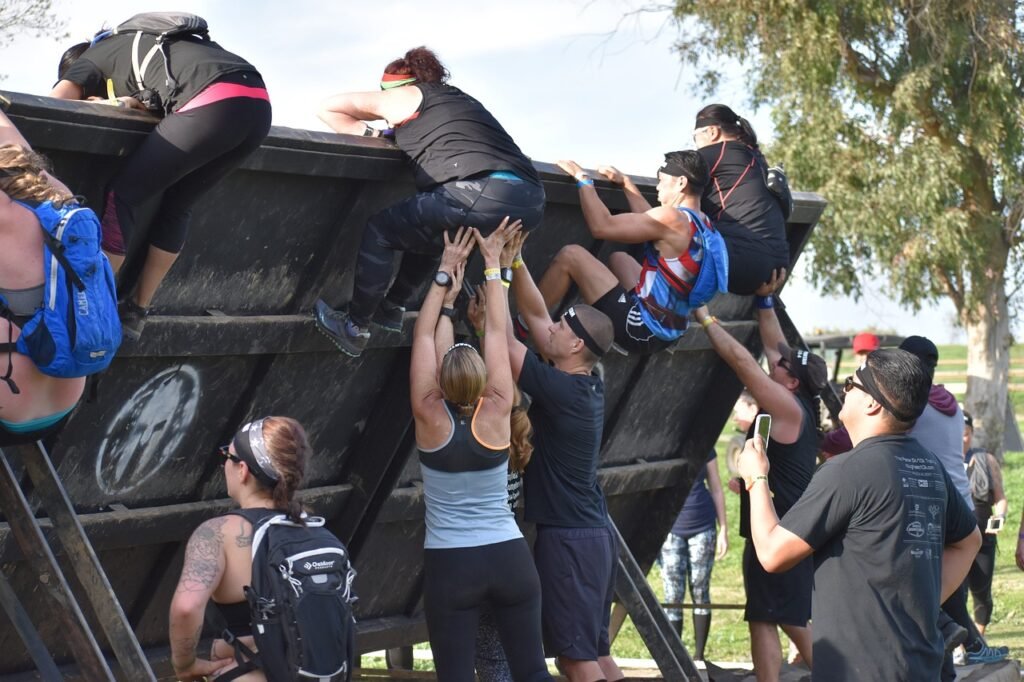
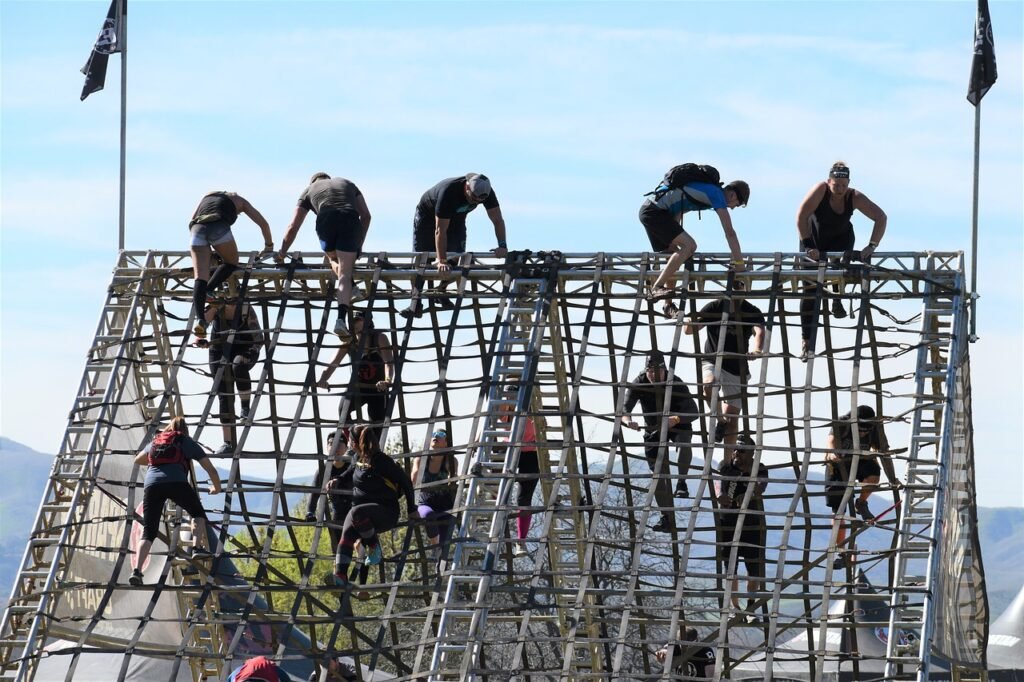
Familiarize yourself with the types of obstacles you might face in the GOR. This could include walls to climb, ditches to cross, and tunnels to navigate. Knowing what to expect will help you prepare mentally and physically.
Expert Tip: Watch videos or read about past GORs to get an idea of the obstacles and how teams have successfully overcome them.
9. Practice Carrying Heavy Objects
The snake-like object you’ll carry during the GOR can be cumbersome and challenging to manage. Practice carrying heavy objects over varying distances and through different terrains to prepare yourself.
Expert Tip: Work on your grip strength and core stability, as these are essential for handling the object effectively during the race.
10. Maintain a Positive Attitude
Your attitude during the GOR is as important as your physical performance. Stay positive, encourage your teammates, and focus on completing the task together.
Expert Tip: Even if the race gets tough, remember that the GOR is as much a test of your mental resilience as it is of your physical abilities. Keep pushing forward with a positive mindset.
Case Studies: Lessons from Previous GORs
Case Study 1: The Power of Teamwork
In one GOR, a team struggled with the first few obstacles because members were trying to act individually. After realizing that they were falling behind, the group regrouped, communicated more effectively, and completed the remaining obstacles with ease. This highlights the importance of teamwork and communication in the GOR.
Takeaway: Always prioritize teamwork. It’s better to move slightly slower but as a cohesive unit than to rush individually and fail.
Case Study 2: Leadership in Action
During another GOR, one candidate took the lead by quickly analyzing the obstacles and assigning roles to his teammates based on their strengths. This strategy worked wonders, and the team finished first. The candidate’s ability to lead and delegate was highly praised.
Takeaway: Strong leadership and quick decision-making can significantly impact the outcome of the GOR.
Case Study 3: Strategic Thinking
In a different GOR, a team encountered an obstacle that appeared difficult to overcome. Instead of brute-forcing their way through, they took a moment to strategize, finding a more efficient way to tackle the challenge. Their approach saved time and energy, leading to a successful completion.
Takeaway: Taking a moment to strategize can sometimes be more beneficial than rushing through an obstacle.
Conclusion
The Group Obstacle Race in the SSB exam is more than just a physical challenge. It’s a test of your ability to work in a team, lead effectively, and think strategically under pressure. By focusing on physical fitness, teamwork, communication, and strategy, you can excel in this task.
Remember: The GOR is as much about mental strength as it is about physical ability. Stay calm, stay focused, and most importantly, work together with your team.