
Explore the unique challenges of high altitude warfare in Ladakh for the Indian Army and IAF. Learn how they adapt to the harsh environment, extreme weather, and strategic complexities of this critical region.
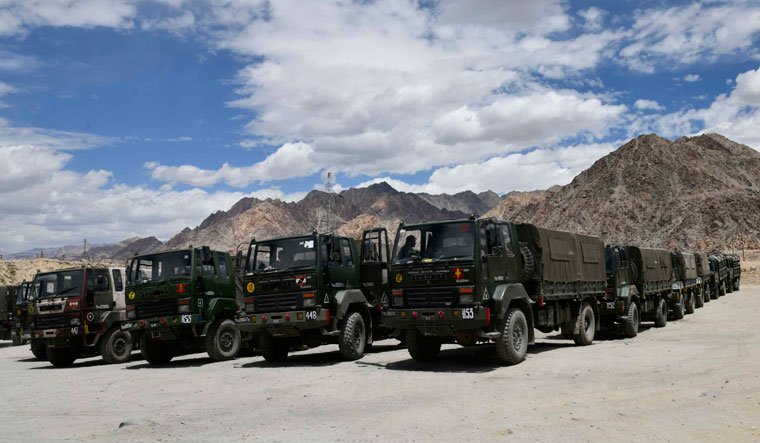
Table of Contents
Introduction:
Ladakh, with its stunning landscapes and harsh terrain, presents some of the most challenging conditions for military operations. For the Indian Army and the Indian Air Force (IAF), operating in this high-altitude region demands not only exceptional physical endurance but also advanced strategies and technologies. The challenges of high altitude warfare in Ladakh are multifaceted, ranging from extreme weather conditions and oxygen deprivation to the complexities of logistics and communication. In this blog, we’ll delve into the specific obstacles faced by the Indian forces in Ladakh and explore how they overcome these challenges to protect the nation’s borders.
Understanding High Altitude Warfare: A Unique Battlefield
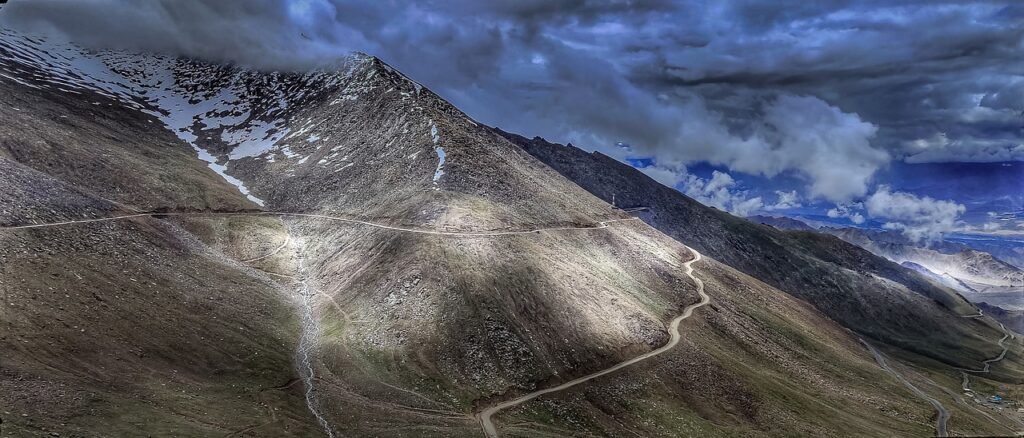
High altitude warfare occurs in regions typically above 9,000 feet (2,700 meters), where the environment itself becomes an adversary. Ladakh, with its rugged mountains, deep valleys, and high passes, is a prime example of such a battlefield, where the thin air, extreme temperatures, and challenging terrain create a formidable environment for military operations.
Key Characteristics of High Altitude Warfare:
- Thin Air and Oxygen Deprivation: At high altitudes, the air contains less oxygen, which can lead to hypoxia (oxygen deficiency) in soldiers, affecting their physical and cognitive performance.
- Extreme Cold and Weather Conditions: Temperatures in Ladakh can drop to -30°C (-22°F) or lower, with strong winds and sudden weather changes adding to the difficulty.
- Rugged Terrain: The mountainous terrain of Ladakh, with its steep slopes and narrow passes, makes movement difficult and hazardous, particularly for heavy military equipment.
SSB Insight:
A thorough understanding of the challenges faced in high altitude warfare will not only prepare you for questions during the Services Selection Board (SSB) interview but will also give you a deeper appreciation of the dedication and resilience required to serve in such environments.
The Challenges for the Indian Army: Fighting at the Roof of the World
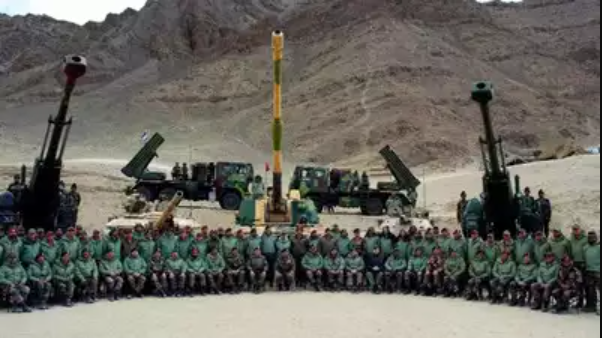
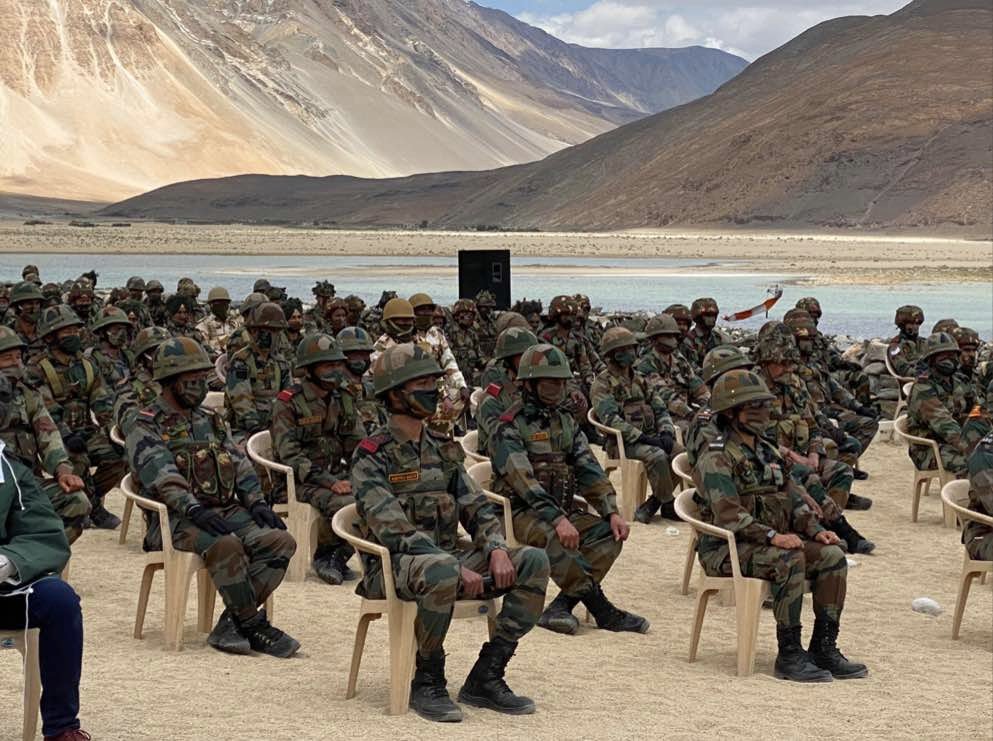
For the Indian Army, operating in Ladakh presents several unique challenges that require specialized training, equipment, and tactics.
1. Physiological Challenges:
Operating at high altitudes places immense strain on the human body. Soldiers have to contend with hypoxia, which can impair decision-making, physical endurance, and overall effectiveness in combat. Acclimatization is critical, and soldiers often undergo rigorous training to adapt to the high-altitude environment.
- Acclimatization: Soldiers undergo a phased acclimatization process, where they gradually adapt to higher altitudes by spending time at intermediate heights before being deployed to frontline positions.
- Health Risks: High altitude can also lead to conditions like Acute Mountain Sickness (AMS), High Altitude Pulmonary Edema (HAPE), and High Altitude Cerebral Edema (HACE), which require immediate medical attention.
2. Extreme Weather and Terrain:
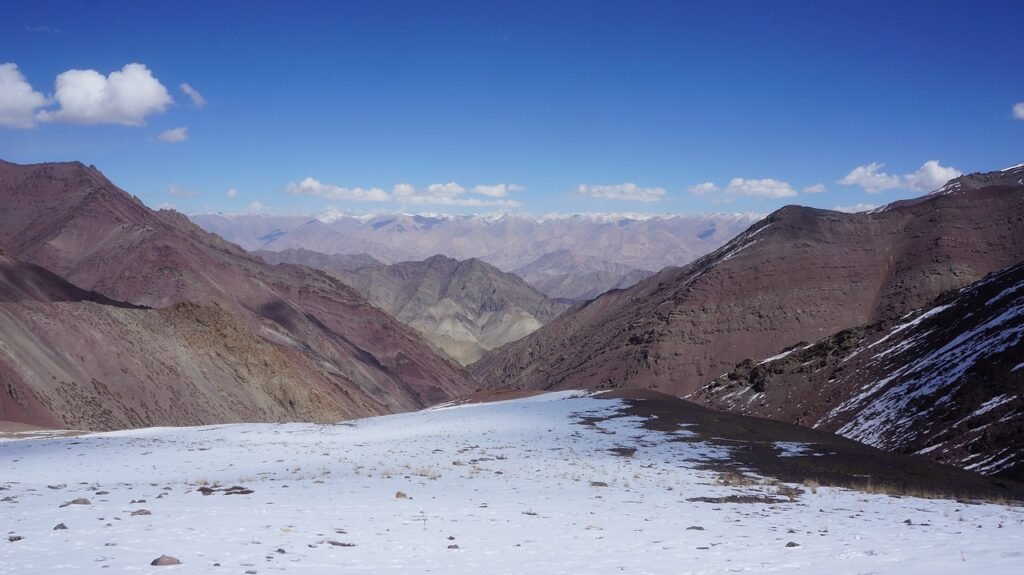
Ladakh’s weather can be unforgiving, with temperatures plummeting to extreme lows during winter. The terrain, characterized by rocky outcrops, narrow passes, and steep inclines, complicates movement and logistics.
- Cold Weather Gear: The Indian Army provides specialized clothing and equipment to soldiers, including layered clothing, insulated boots, and high-altitude tents, to protect them from the cold.
- Movement and Mobility: Moving troops and equipment across Ladakh’s terrain is a logistical challenge, requiring the use of specialized vehicles and, in some cases, animal transport.
3. Logistical Challenges:
Supplying troops in such remote and difficult terrain is one of the biggest challenges faced by the Indian Army. Maintaining a steady flow of food, ammunition, medical supplies, and fuel requires meticulous planning and coordination.
- Supply Lines: The army relies on a combination of road transport, airlifting, and even traditional methods like mule caravans to keep the supply lines open.
- Infrastructure Development: The construction of roads, bridges, and airstrips is crucial for maintaining logistical support, but the harsh environment often delays these efforts.
Inspiring Story:
During the 1999 Kargil conflict, the Indian Army’s ability to overcome these challenges was on full display. The successful capture of key positions in the high-altitude battlefield was a testament to the soldiers’ resilience and the army’s effective logistical planning.
The Challenges for the Indian Air Force: Mastering the Skies in Ladakh
The Indian Air Force plays a critical role in high-altitude warfare, providing air support, logistics, and surveillance. However, operating in the thin air and harsh conditions of Ladakh presents unique challenges for pilots and ground crews.
1. High Altitude Flying:
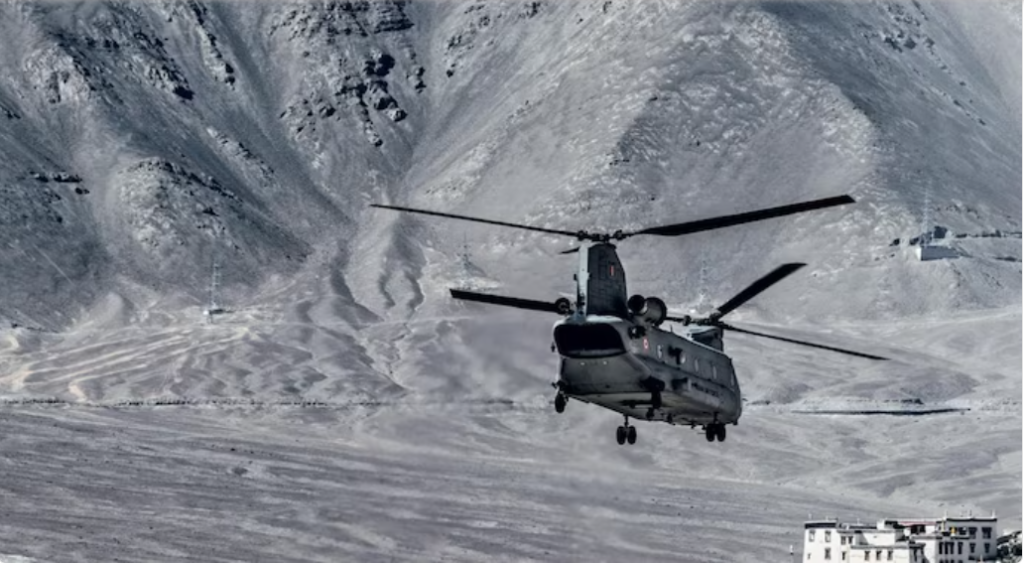
Flying at high altitudes requires aircraft to operate in conditions of reduced air density, which affects engine performance, lift, and maneuverability.
- Aircraft Performance: The reduced air density at high altitudes requires precise handling of aircraft, as it impacts takeoff distance, rate of climb, and overall flight stability.
- Pilot Training: IAF pilots undergo specialized training to handle the unique challenges of high-altitude flying, including the use of oxygen masks and operating in extreme cold conditions.
2. Logistics and Supply Missions:
The IAF is responsible for airlifting troops, supplies, and equipment to remote and difficult-to-reach areas in Ladakh. This requires precision flying and careful planning to ensure that supplies reach their destinations safely.
- Strategic Airlift: Aircraft like the C-17 Globemaster, C-130J Super Hercules, and An-32 are frequently used for airlifting missions in Ladakh, transporting everything from troops to heavy equipment.
- Helicopter Operations: Helicopters like the Mi-17 V5 and ALH Dhruv are critical for delivering supplies to forward posts, evacuating injured soldiers, and conducting reconnaissance missions.
3. Surveillance and Reconnaissance:
Maintaining situational awareness in the challenging terrain of Ladakh is essential for effective military operations. The IAF employs a range of surveillance and reconnaissance assets to monitor the region and provide real-time intelligence.
- Unmanned Aerial Vehicles (UAVs): The use of UAVs, such as the Heron and Searcher drones, allows for continuous monitoring of enemy movements and helps in planning operations.
- AWACS: The IAF’s Airborne Warning and Control System (AWACS) aircraft provide critical intelligence, surveillance, and reconnaissance (ISR) capabilities, ensuring that Indian forces maintain an edge in situational awareness.
Interesting Fact:
During the 2020 standoff with China in Ladakh, the IAF’s ability to rapidly deploy aircraft and conduct high-altitude operations was crucial in reinforcing India’s defensive posture and maintaining air superiority in the region.
Technological and Tactical Adaptations: Enhancing Operational Capabilities
To overcome the unique challenges of high altitude warfare in Ladakh, the Indian Army and IAF have made several technological and tactical adaptations, ensuring they remain prepared to defend the nation’s borders under the most demanding conditions.
1. Specialized Equipment:
Both the Indian Army and IAF have invested in specialized equipment designed for high-altitude operations, including advanced cold-weather gear, all-terrain vehicles, and high-performance aircraft.
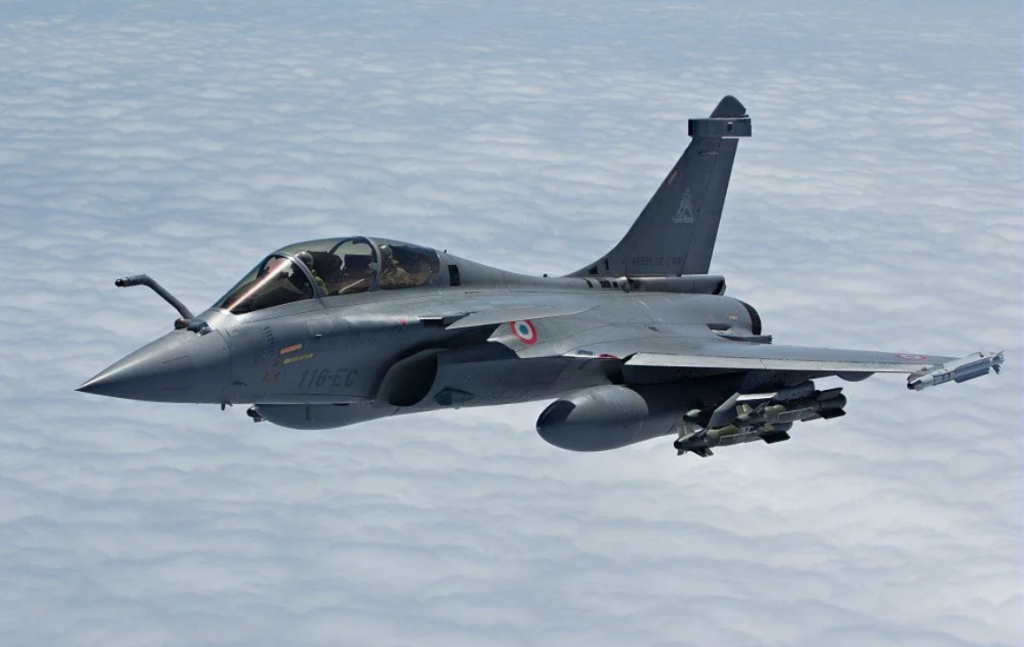
- New Inductions: The induction of advanced fighter jets like the Rafale, which is capable of operating in high-altitude regions, and the deployment of the Chinook heavy-lift helicopters have significantly enhanced India’s operational capabilities in Ladakh.
- Mountain Warfare Training: The Indian Army’s High Altitude Warfare School (HAWS) in Gulmarg, Jammu and Kashmir, is one of the premier institutions for training soldiers in mountain warfare, preparing them for the rigors of high-altitude combat.
2. Infrastructure Development:
To sustain operations in Ladakh, significant investments have been made in infrastructure, including the construction of roads, bridges, and forward airbases.
- Strategic Roads: The construction of the Darbuk-Shyok-Daulat Beg Oldie (DSDBO) road has been a game-changer, providing all-weather connectivity to the northernmost regions of Ladakh.
- Airbase Modernization: Forward airbases like Leh, Thoise, and Nyoma have been upgraded to handle advanced aircraft and provide logistical support for sustained operations.
3. Enhanced Surveillance and Communication:
Maintaining robust communication and surveillance capabilities in Ladakh’s challenging terrain is vital for coordinating operations and responding to emerging threats.
- Satellite Communication: The use of satellite communication systems ensures that Indian forces can maintain secure and reliable communication links, even in remote and difficult-to-access areas.
- Real-Time Intelligence: Advanced ISR capabilities, including satellite imagery and UAV surveillance, allow for real-time intelligence gathering, helping to anticipate and counter enemy movements.
SSB Preparation Tip:
Familiarize yourself with the latest technological advancements and tactical adaptations used by the Indian Army and IAF in high-altitude warfare. This knowledge will not only enhance your understanding of modern military operations but also provide you with valuable insights during your SSB interview.
Conclusion: The Indomitable Spirit of India’s Armed Forces in Ladakh
The challenges of high altitude warfare in Ladakh are immense, but they are met with determination, ingenuity, and a relentless commitment to national security by the Indian Army and IAF. Whether it’s enduring the harsh climate, navigating the treacherous terrain, or executing complex operations, India’s armed forces continue to demonstrate their ability to adapt
and overcome in the most extreme conditions.
Final SSB Advice:
- Understand the Terrain: Knowledge of the geographical and environmental challenges in Ladakh will give you an edge in SSB discussions and interviews.
- Appreciate the Sacrifice: Serving in such difficult conditions requires immense sacrifice and dedication. Reflecting on this can inspire you to approach your SSB preparation with the same level of commitment.
- Stay Informed: Keep yourself updated on the latest developments in high altitude warfare, including new technologies, tactics, and infrastructure projects in Ladakh.
As you prepare for your journey into the armed forces, remember that the challenges faced by our soldiers and airmen in Ladakh are a testament to their resilience, courage, and unwavering dedication to protecting the nation. By understanding and appreciating these challenges, you’ll be better equipped to follow in their footsteps and contribute to India’s defense with honor and pride.