
Discover the strategic brilliance, key battles, and lasting impact of India’s War of 1971. Learn how this decisive conflict led to the creation of Bangladesh and showcased India’s military prowess.
Table of Contents
Introduction:
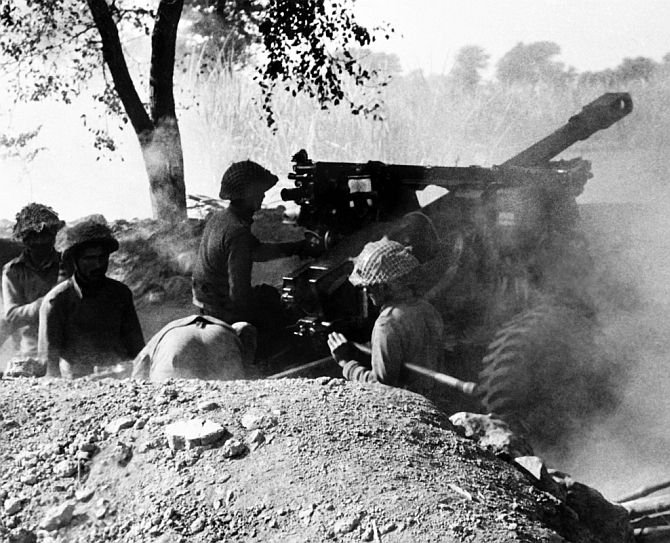
India’s War of 1971, also known as the Bangladesh Liberation War, was a defining moment in South Asian history. This conflict not only reshaped the geopolitical landscape of the region but also highlighted India’s military capabilities and strategic foresight. The war, which led to the creation of Bangladesh, is remembered as one of India’s most significant victories, achieved through a combination of military strategy, diplomatic efforts, and the indomitable spirit of the armed forces. In this blog, we’ll explore the key events, operations, and outcomes of the 1971 war, shedding light on how this historic conflict unfolded and what it meant for India and the world.
Background: The Road to War
The seeds of the 1971 war were sown in the political and social unrest in East Pakistan (now Bangladesh). The population of East Pakistan, predominantly Bengali, had long felt marginalized by the West Pakistani government, leading to widespread discontent and demands for greater autonomy.
Key Events Leading to War:
- Language Movement (1952): The imposition of Urdu as the national language sparked the Bengali Language Movement in East Pakistan, laying the foundation for regional discontent.
- Election of 1970: The general elections in Pakistan saw the Awami League, led by Sheikh Mujibur Rahman, winning a majority. However, the West Pakistani leadership refused to transfer power, triggering mass protests and civil disobedience in East Pakistan.
- Operation Searchlight (March 1971): In response to the growing unrest, the Pakistani military launched Operation Searchlight, a brutal crackdown on the Bengali population. This operation led to widespread atrocities, pushing millions of refugees into India and escalating tensions between India and Pakistan.
SSB Insight:
Understanding the geopolitical and social context of the 1971 war is crucial for candidates preparing for the SSB, as it highlights the importance of strategic thinking, diplomacy, and humanitarian considerations in military operations.
India’s Decision to Intervene: A Strategic Necessity
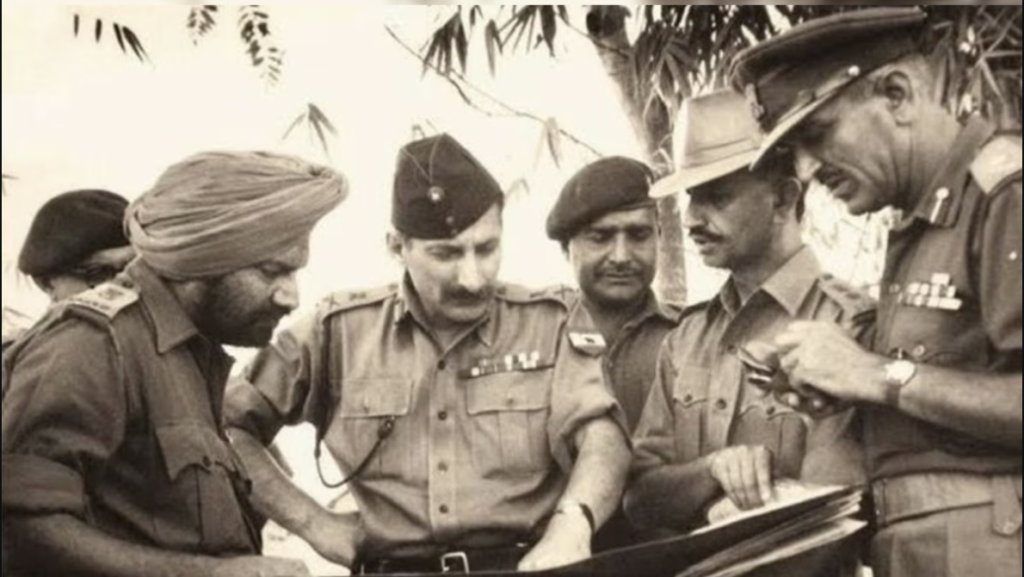
By mid-1971, the situation in East Pakistan had deteriorated into a full-blown humanitarian crisis, with millions of refugees pouring into India. The Indian government, led by Prime Minister Indira Gandhi, faced immense pressure to act, both to relieve the strain on resources and to address the escalating human rights violations.
Key Considerations for Intervention:
- Humanitarian Crisis: The influx of refugees into India created a humanitarian and economic burden, with over 10 million people seeking refuge in Indian territory.
- Regional Stability: The crisis threatened to destabilize the entire South Asian region, and India’s security was at risk due to the proximity of the conflict.
- International Support: Prime Minister Indira Gandhi sought and received support from the international community, particularly from the Soviet Union, which signed a Treaty of Peace, Friendship, and Cooperation with India in August 1971, providing a strategic counterbalance to potential Chinese or American intervention on behalf of Pakistan.
The Final Decision:
After months of diplomatic efforts, India decided to intervene militarily in December 1971, with the objective of liberating East Pakistan and supporting the Mukti Bahini, the Bengali resistance movement.
Interesting Fact:
The Indian government’s decision to go to war was also influenced by the principle of self-determination for the people of East Pakistan, which resonated with global audiences and garnered widespread international sympathy.
Key Military Operations: The Path to Victory
The 1971 war was characterized by a series of swift and decisive military operations conducted by the Indian Army, Navy, and Air Force. These operations showcased India’s military prowess and strategic planning, ultimately leading to a quick and conclusive victory.
Operation Trident (December 4, 1971):
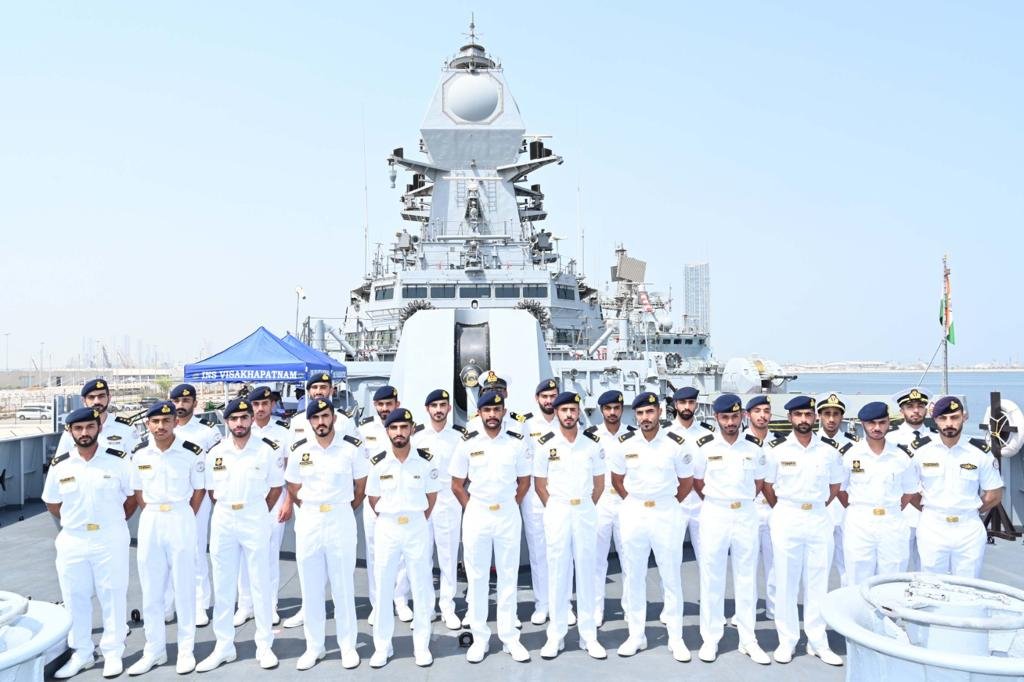
Operation Trident was a naval operation launched by the Indian Navy against Pakistan’s port city of Karachi. It marked the first use of anti-ship missiles in combat in the region and resulted in significant damage to Pakistan’s naval assets.
- Objective: The goal was to destroy Pakistan’s maritime capabilities and enforce a naval blockade.
- Execution: The Indian Navy’s strike group, comprising missile boats and destroyers, launched a surprise attack on Karachi, sinking several Pakistani ships and causing massive fires that destroyed oil tanks.
- Outcome: Operation Trident was a resounding success, crippling Pakistan’s navy and securing India’s dominance in the Arabian Sea.
Battle of Longewala (December 5-6, 1971):
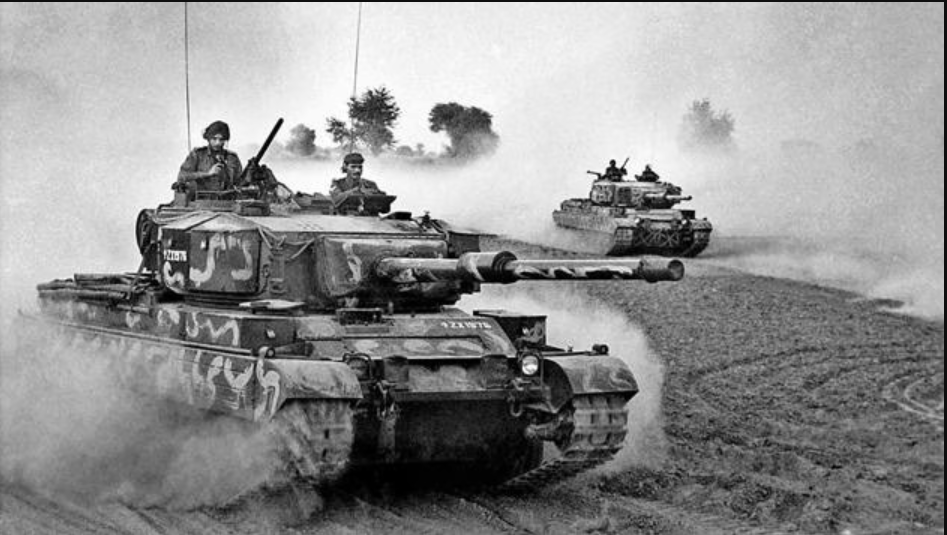
The Battle of Longewala was one of the most famous land battles of the 1971 war, where a small Indian Army contingent held off a much larger Pakistani force.
- Objective: The Pakistani Army aimed to capture the strategic town of Jaisalmer in Rajasthan, which would have given them a significant foothold in the region.
- Execution: Despite being heavily outnumbered, the Indian soldiers at Longewala, supported by air strikes from the Indian Air Force, managed to repel the Pakistani assault, inflicting heavy losses.
- Outcome: The battle was a major morale booster for India, demonstrating the effectiveness of coordinated land and air operations.
Inspiring Story:
Major Kuldip Singh Chandpuri, who led the Indian forces at Longewala, was awarded the Maha Vir Chakra for his exemplary leadership and bravery during the battle.
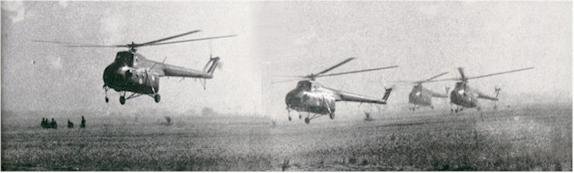
Operation Meghna Heli Bridge (December 9, 1971):
In one of the most innovative operations of the war, the Indian Army used helicopters to airlift troops across the Meghna River, bypassing heavily fortified Pakistani positions.
- Objective: The goal was to advance quickly into East Pakistan and cut off the retreat of Pakistani forces.
- Execution: The Indian Army, with the support of the Indian Air Force, executed a series of helicopter airlifts, transporting troops and supplies across the river in a short span of time.
- Outcome: The operation was a strategic success, allowing Indian forces to capture key positions and advance rapidly towards Dhaka.
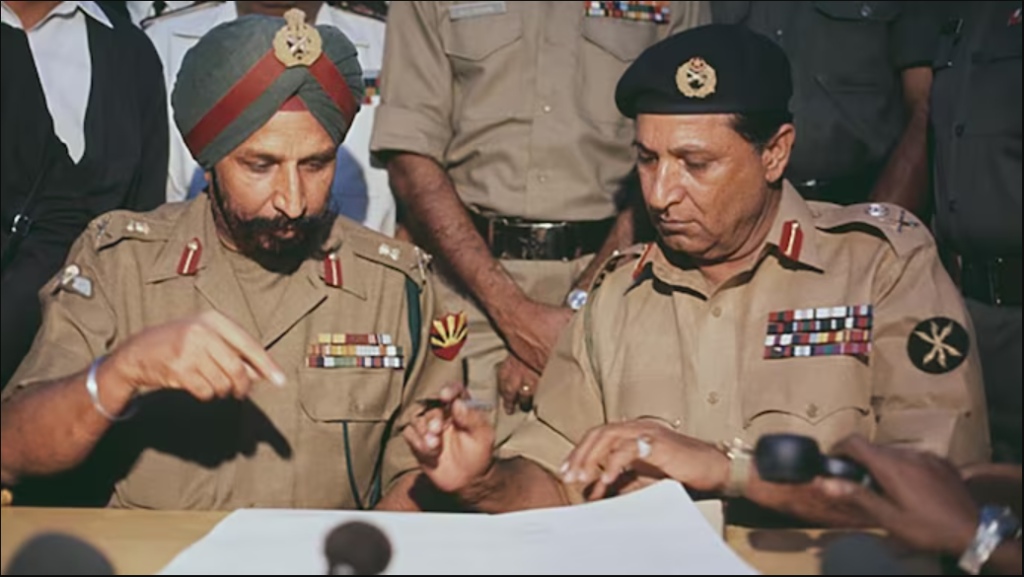
Fall of Dhaka (December 16, 1971):
The final and most significant event of the war was the fall of Dhaka, the capital of East Pakistan, which led to the surrender of the Pakistani forces.
- Objective: The Indian Army, supported by the Mukti Bahini, aimed to capture Dhaka and force a Pakistani surrender.
- Execution: Indian forces surrounded Dhaka from multiple directions, cutting off escape routes and launching coordinated attacks that overwhelmed the Pakistani defenders.
- Outcome: On December 16, 1971, Lieutenant General A. A. K. Niazi of Pakistan signed the Instrument of Surrender, marking the end of the war and the birth of Bangladesh as an independent nation.
SSB Preparation Tip:
Studying the key operations of the 1971 war, like Operation Trident and the Battle of Longewala, will help you understand the importance of strategic planning, leadership, and adaptability—qualities that are essential for success in the SSB.
The Aftermath: Geopolitical and Strategic Implications
The 1971 war had profound implications for South Asia and the world. It not only led to the creation of Bangladesh but also established India as a dominant regional power with significant military capabilities.
Creation of Bangladesh:
- Humanitarian Triumph: The liberation of Bangladesh was seen as a victory for human rights and self-determination, as the new nation emerged from the horrors of genocide and repression.
- Bilateral Relations: India’s relationship with Bangladesh has since evolved into a close partnership, with both countries cooperating on various economic, cultural, and security issues.
Strategic Victory:
- Military Prowess: The war demonstrated India’s military strength and strategic acumen, enhancing its reputation on the global stage.
- Diplomatic Impact: The war reshaped India’s foreign relations, particularly with the United States, China, and the Soviet Union, influencing global geopolitics during the Cold War.
Did You Know?
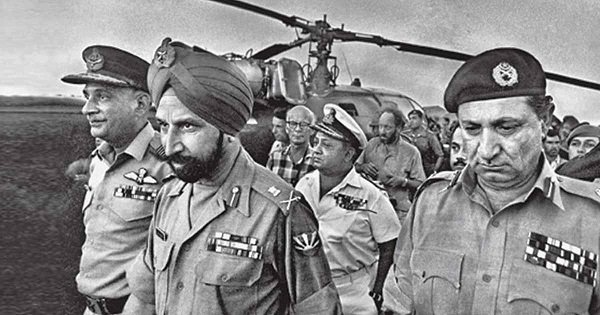
The 1971 war led to the largest military surrender since World War II, with over 93,000 Pakistani soldiers laying down their arms to Indian forces.
Conclusion: Lessons from the 1971 War
India’s War of 1971 stands as a testament to the power of strategic thinking, military coordination, and the will to uphold justice and human rights. It was a war that not only changed the map of South Asia but also inspired generations of military leaders and strategists.
Final SSB Advice:
- Learn from History: The 1971 war offers invaluable lessons in leadership, strategy, and international relations. Study these lessons carefully as you prepare for the SSB.
- Embrace Strategic Thinking: The ability to think strategically and make informed decisions under pressure is crucial for any military leader. Develop these skills through practice and study.
- Honor the Legacy: The courage and sacrifice of those who fought in the 1971 war should inspire you to serve with the same dedication and commitment.
As you prepare for your journey into the armed forces, remember that understanding the past is key to shaping the future. The legacy of the 1971 war is a powerful reminder of what can be achieved through unity, determination, and strategic brilliance.