
Explore the Key Operations of the Indian Air Force that showcase its strategic brilliance, courage, and technological prowess. Learn how these missions shape the IAF’s role as a guardian of the skies.
Table of Contents
Introduction:
The Indian Air Force (IAF) is not just a symbol of aerial power; it is the backbone of India’s defense strategy, executing a wide array of operations that protect the nation’s airspace and contribute to global peace and stability. From combat missions to humanitarian assistance, the IAF’s operations are a testament to its strategic brilliance, advanced technology, and the indomitable spirit of its personnel. In this blog, we’ll take an in-depth look at some of the most significant operations carried out by the IAF, exploring how these missions have shaped its legacy and continue to define its role in safeguarding the nation.
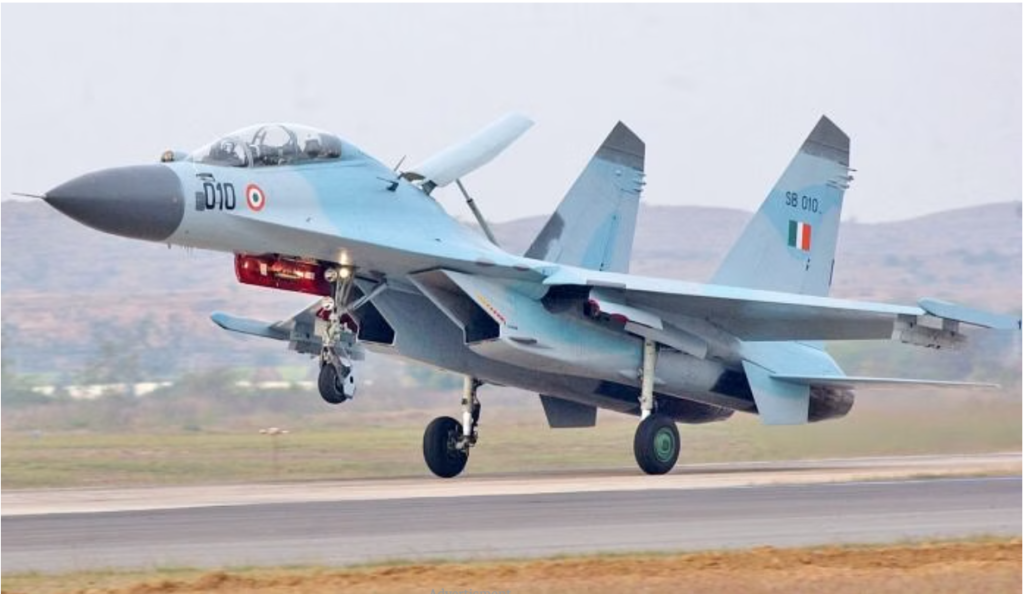
The Role of the Indian Air Force in National Defense
The primary mission of the Indian Air Force is to secure Indian airspace and to conduct aerial warfare during armed conflicts. However, the scope of the IAF’s operations extends far beyond combat, encompassing a wide range of missions designed to protect and project India’s interests both domestically and internationally.
Key Responsibilities:
- Air Defense: Protecting Indian airspace from external threats and maintaining aerial superiority.
- Strategic Bombing: Targeting enemy infrastructure to weaken their ability to wage war.
- Reconnaissance and Surveillance: Gathering intelligence to support military operations and national security.
- Humanitarian Assistance: Providing disaster relief and evacuation during natural and man-made crises.
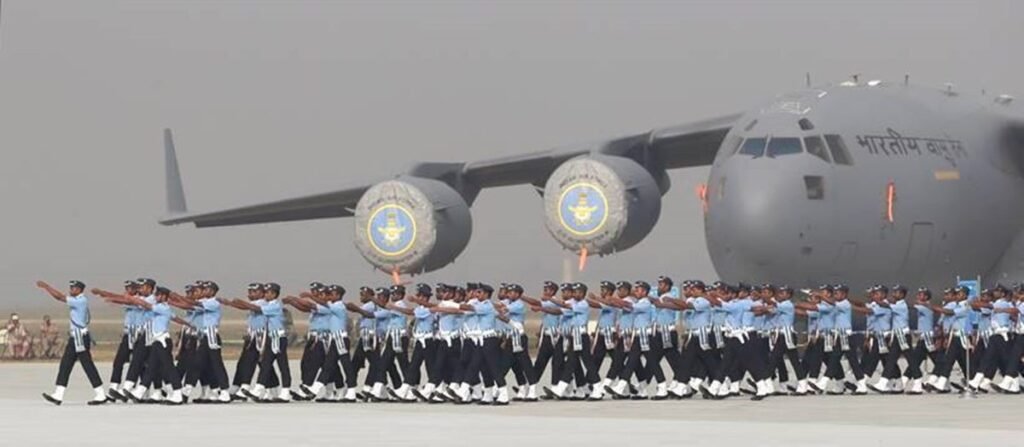
SSB Insight:
Understanding the diverse roles of the IAF will help you articulate its importance during the Services Selection Board (SSB) interview, where knowledge of the IAF’s strategic value and operations can set you apart from other candidates.

Operation Safed Sagar (1999): A Pivotal Moment in the Kargil Conflict
Operation Safed Sagar was one of the most significant operations in IAF history, carried out during the Kargil War of 1999. It marked the first large-scale use of airpower in the mountainous region of Kargil, where the IAF played a crucial role in supporting Indian Army operations.
Objective:
The primary objective of Operation Safed Sagar was to provide close air support to Indian ground forces by targeting enemy positions, bunkers, and supply lines that were located at high altitudes and difficult to access.
Execution:
- Challenges: The operation was particularly challenging due to the high altitude and rough terrain of the Kargil region, which affected aircraft performance and required specialized tactics.
- Aircraft Deployed: The IAF deployed a variety of aircraft, including the MiG-21, MiG-27, Mirage 2000, and the MiG-29, for precision strikes and air superiority missions.
- Success: The operation successfully neutralized enemy positions and played a key role in India’s victory in the Kargil conflict, showcasing the IAF’s ability to adapt to difficult combat conditions and execute complex missions.
Inspiring Story:
One of the heroes of Operation Safed Sagar was Flight Lieutenant Kambampati Nachiketa, who was captured after his MiG-27 aircraft was shot down. His resilience in captivity and eventual return to India is a testament to the courage and spirit of IAF personnel.
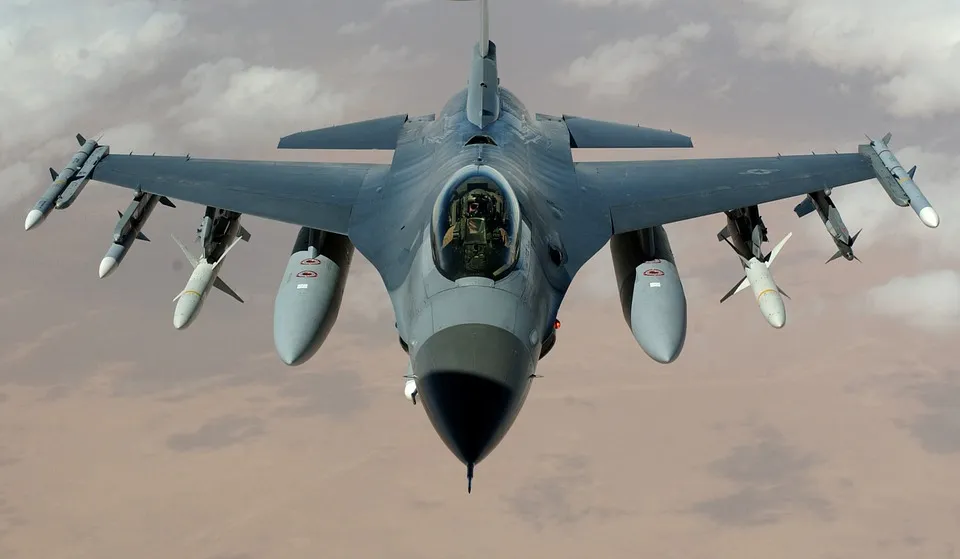
Operation Cactus (1988): Swift Response in the Indian Ocean
Operation Cactus demonstrated the IAF’s capability to respond rapidly to a crisis and project power beyond India’s borders. The operation was launched to thwart a coup attempt in the Maldives, where rebels had seized control of the capital, Malé.
Objective:
The objective was to deploy Indian troops to the Maldives quickly to restore order and reinstate the legitimate government, thereby stabilizing the region.
Execution:
- Airlift Operation: The IAF played a critical role in airlifting Indian paratroopers from Agra to Malé, covering a distance of over 2,000 kilometers in a short span of time.
- Aircraft Deployed: The IAF used its IL-76 and AN-32 transport aircraft to rapidly deploy troops and equipment, enabling the Indian Army to regain control of the capital and quash the rebellion within hours of landing.
- Success: Operation Cactus was a resounding success, earning India international acclaim for its swift and decisive action, and highlighting the strategic reach and operational readiness of the IAF.
Did You Know?
The success of Operation Cactus strengthened India’s position as a regional power and demonstrated the IAF’s ability to project power swiftly and effectively in times of crisis.
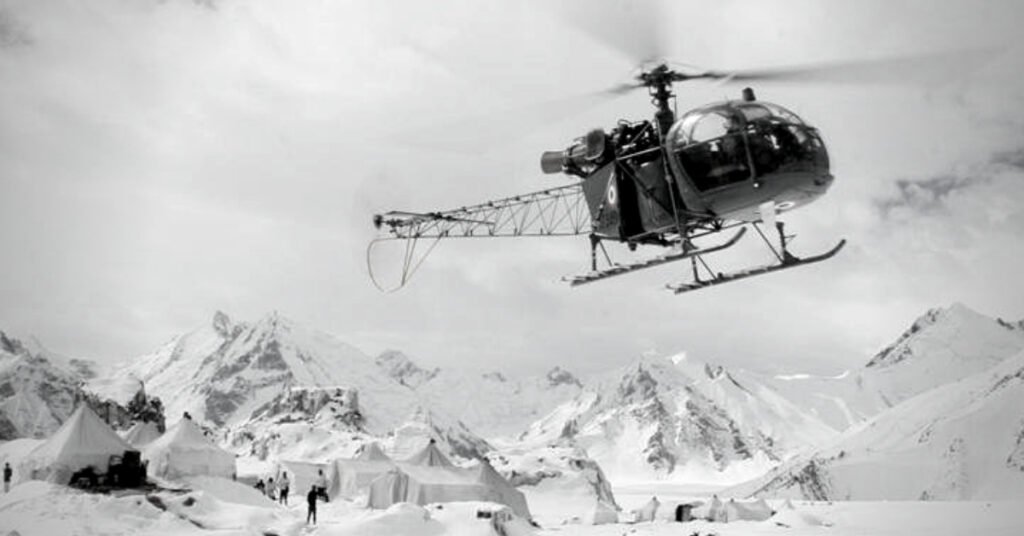
Operation Meghdoot (1984): Dominating the Heights of Siachen
Operation Meghdoot is one of the most challenging military operations ever undertaken by the Indian Armed Forces, with the IAF playing a crucial role in securing the Siachen Glacier, the world’s highest battlefield.
Objective:
The objective was to preemptively capture key positions on the Siachen Glacier before Pakistan could occupy them, thereby ensuring strategic control over the region.
Execution:
- Logistical Support: The IAF’s primary role was to provide logistical support to the Indian Army, airlifting troops, supplies, and equipment to the high-altitude posts on the glacier.
- Challenges: Operating at altitudes above 20,000 feet, the IAF had to overcome extreme weather conditions, low oxygen levels, and treacherous terrain, which tested the limits of both personnel and aircraft.
- Aircraft Deployed: Helicopters like the Cheetah and Mi-8 were extensively used to transport troops and supplies, while fixed-wing aircraft like the AN-32 were used for paradropping essential items.
- Success: Operation Meghdoot was a success, and the IAF’s contribution was instrumental in establishing India’s dominance over the Siachen Glacier, a position it holds to this day.
Interesting Fact:
The IAF’s operations in Siachen continue to this day, making it one of the longest ongoing military deployments in extreme conditions, demonstrating the resilience and commitment of the force.
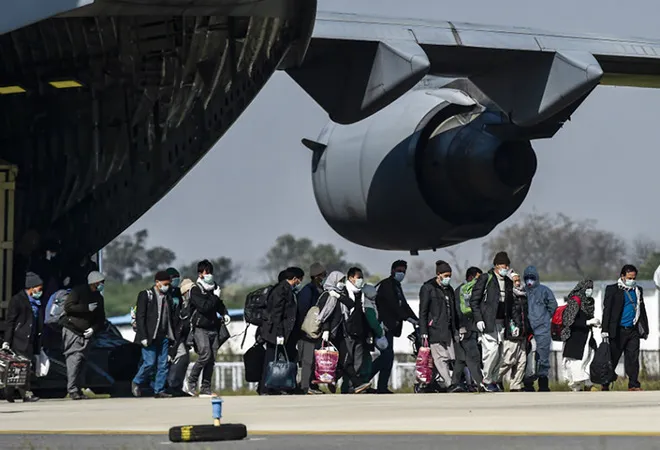
Operation Rahat (2013): A Humanitarian Mission of Unprecedented Scale
Operation Rahat was one of the largest humanitarian relief operations conducted by the Indian Air Force in response to the devastating floods in Uttarakhand in 2013. It highlighted the IAF’s ability to pivot from combat to humanitarian assistance with unparalleled efficiency.
Objective:
The objective was to rescue stranded civilians and provide relief to flood-affected areas, where thousands of people were trapped due to landslides and floods.
Execution:
- Rescue Operations: The IAF deployed a fleet of helicopters, including the Mi-17 and ALH Dhruv, to carry out rescue operations in the rugged terrain of Uttarakhand, airlifting thousands of people to safety.
- Supply Drops: In addition to rescue missions, the IAF conducted numerous supply drops, delivering essential items like food, water, and medical supplies to remote and inaccessible areas.
- Success: Operation Rahat was a massive success, with the IAF rescuing over 20,000 people and demonstrating its capability to conduct large-scale humanitarian operations in difficult and challenging environments.
Inspiring Story:
During Operation Rahat, Wing Commander Darryl Castelino and his crew tragically lost their lives when their Mi-17 V5 helicopter crashed during a rescue mission. Their sacrifice embodies the selfless spirit and dedication of the IAF’s personnel.
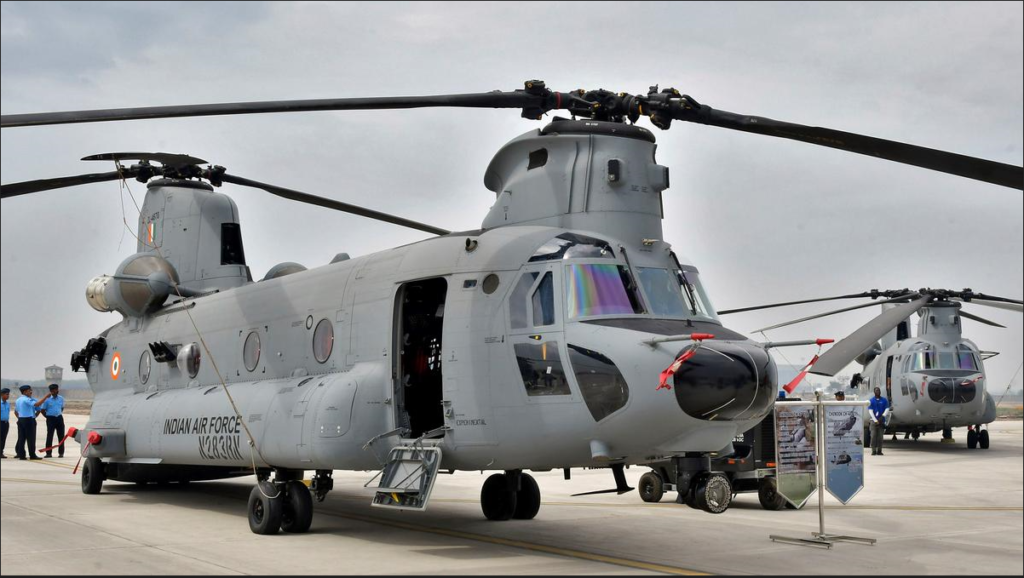
Technological Advancements: Enhancing Operational Capabilities
The Indian Air Force’s ability to execute complex operations with precision and efficiency is bolstered by its continuous focus on technological advancement and modernization.
Advanced Aircraft:
- Multi-Role Fighters: The induction of aircraft like the Sukhoi Su-30MKI, Rafale, and Mirage 2000 has significantly enhanced the IAF’s combat capabilities, enabling it to conduct precision strikes, air superiority missions, and ground support with greater effectiveness.
- Transport Aircraft: The C-17 Globemaster and C-130J Super Hercules provide the IAF with strategic airlift capabilities, allowing it to deploy troops and equipment rapidly across vast distances, which is crucial for both military and humanitarian missions.
- Helicopters: The addition of the Apache AH-64E and Chinook helicopters has further strengthened the IAF’s ability to conduct offensive operations and provide logistical support in challenging terrains.
Indigenous Innovations:
- Tejas: The HAL Tejas, an indigenously developed light combat aircraft, represents the IAF’s commitment to self-reliance and innovation. It is designed to perform a variety of roles, including air interception, ground attack, and reconnaissance.
- AWACS: The IAF’s Airborne Warning and Control System (AWACS) aircraft enhance its surveillance capabilities, providing real-time intelligence and maintaining situational awareness across vast areas.
SSB Preparation Tip:
Keeping up with the latest technological advancements in the IAF can give you an edge in the SSB, where your awareness of current developments in defense technology is often assessed.
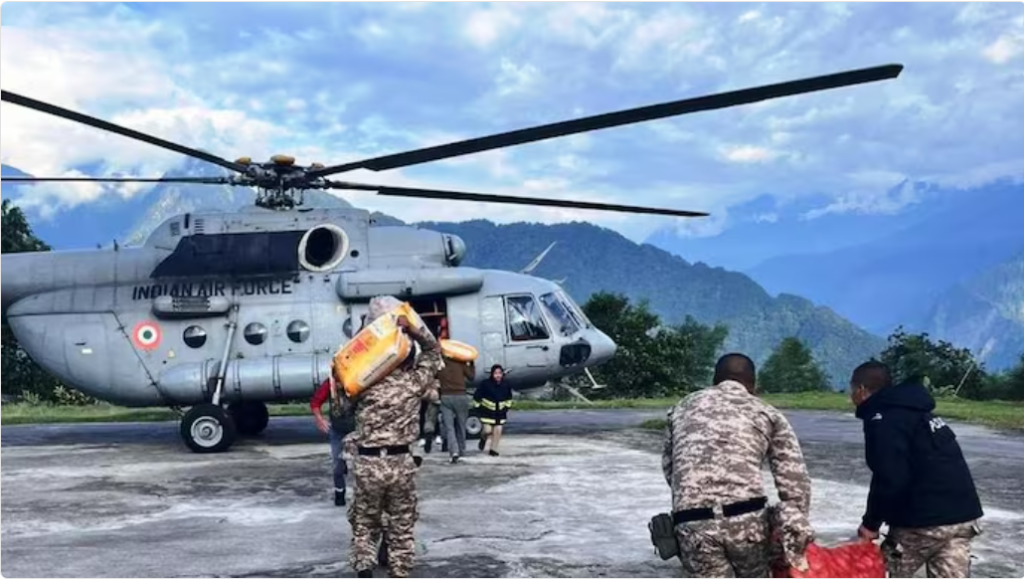
Conclusion: The Ever-Evolving Role of the Indian Air Force
The operations of the Indian Air Force are a testament to its versatility, readiness, and unwavering commitment to defending the nation’s skies and providing aid during crises. Whether it’s executing combat missions, conducting humanitarian operations, or contributing to global peacekeeping efforts, the IAF remains at the forefront of India’s defense strategy.
Final SSB Advice:
- Stay Informed: Understand the strategic significance of the IAF’s operations and how they contribute to national security. This knowledge will be invaluable during your SSB interview.
- Develop Leadership Skills: The IAF values leadership, decisiveness, and the ability to remain calm under pressure. Engage in activities that build these qualities in preparation for your SSB.
- Embrace the IAF Ethos: The IAF’s motto, “Touch the Sky with Glory,” reflects its pursuit of excellence. Strive to embody this ethos in your journey to becoming an IAF officer.
Remember, the IAF is not just about flying aircraft—it’s about leading with courage, making strategic decisions, and serving the nation with honor. If you have the passion and the drive, the sky is truly the limit.